
The Allure of Gambling: Understanding Motivations
Casino gambling has long been a source of fascination for many, drawing in people from all walks of life. The psychology behind this allure lies in various factors, including the thrill of risk, the potential for financial gain, and the social environment that casinos provide. Additionally, many players often look for sites that feature the best non gamstop casinos. Gambling offers a unique combination of excitement and uncertainty, making it an appealing pastime for those seeking escape or a sense of adventure.

Many gamblers are motivated by the possibility of winning big. The chance to turn a small investment into substantial returns can create a powerful incentive. This phenomenon is often further fueled by cognitive biases, such as the gambler’s fallacy, where players believe that past outcomes influence future results. These psychological misconceptions can lead to irrational decision-making and riskier strategies in pursuit of those elusive jackpots.
Cognitive Biases and Their Impact on Gambling Strategies
Cognitive biases play a significant role in how gamblers approach their strategies. One common bias is the illusion of control, where individuals believe they can influence the outcome of games of chance. This leads many players to develop specific betting strategies or rituals they believe enhance their chances of winning. For example, some may insist on using lucky numbers or specific betting patterns, despite the fact that outcomes are fundamentally random.
Another relevant bias is the availability heuristic, which can skew perceptions of probability. If gamblers frequently hear about big wins or witness others winning, they may become overconfident in their own ability to replicate that success. This overconfidence can lead to more aggressive betting strategies, which may not be grounded in statistical reality, potentially resulting in significant losses.
The Role of Emotion in Gambling Decisions
The emotional aspects of gambling cannot be overlooked when examining strategies. Many individuals gamble as a form of escapism, using it to alleviate stress or enhance moods. This emotional high can create a short-term boost in serotonin and dopamine, reinforcing the behavior and making players more likely to engage in gambling activities again. However, this emotional connection can cloud judgment, often leading to impulsive decisions that overlook sound strategy.
Moreover, the interplay of positive and negative emotions can influence gambling behavior. For instance, winning can lead to feelings of elation, prompting players to take bigger risks. Conversely, a series of losses can result in frustration or desperation, which might compel individuals to chase their losses, often leading to even more detrimental outcomes. Understanding this emotional rollercoaster is crucial for developing effective gambling strategies that balance risk and reward.
The Social Dynamics of Casino Gambling
Gambling is inherently a social activity, with many players drawn to the community and camaraderie found in casinos. The social environment can heavily influence individual strategies and decision-making processes. Interacting with fellow gamblers can lead to shared strategies and tips, which may be beneficial but can also foster groupthink, where individuals feel pressured to conform to popular betting patterns.
Additionally, the presence of spectators or friends can create a heightened sense of excitement, pushing individuals to take risks they might not otherwise consider. This social reinforcement can amplify gambling behavior, leading to more significant monetary commitments. Recognizing these social factors and their impact on personal strategy is essential in navigating the complex landscape of casino gambling.
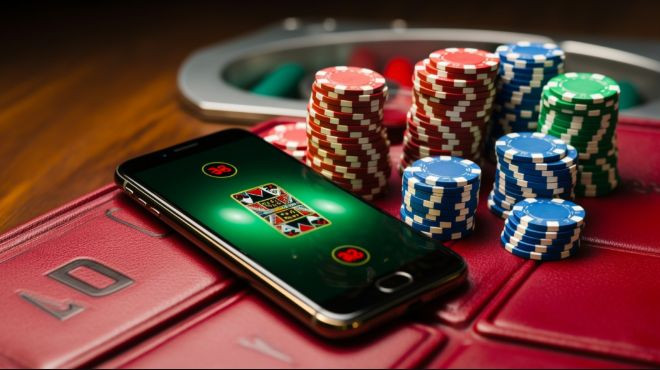
Resources for Responsible Gambling
While the thrill of casino gambling can be enticing, it’s important to remember that it carries risks. Resources such as support websites can offer valuable insights and strategies for maintaining a healthy relationship with gambling. These platforms provide information on responsible gambling practices, helping players understand their limits and make informed decisions.
For those who may struggle with gambling behaviors or seek to understand the psychological aspects better, engaging with supportive communities can be beneficial. These resources not only foster shared experiences but also promote awareness of the potential for gambling addiction, guiding individuals toward healthier habits and strategies in their gambling journeys.