
The Allure of Casino Games
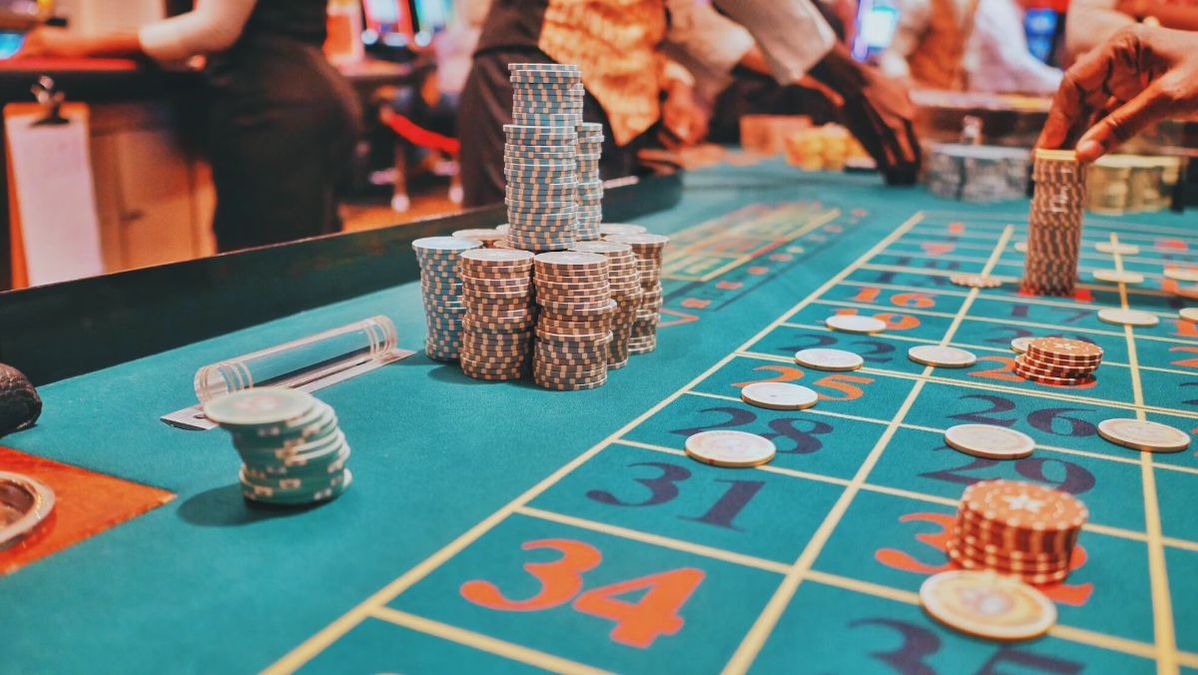
The allure of casino games is deeply rooted in the psychology of choice and reward. Individuals are drawn to the excitement and thrill that these games offer, which often create a compelling environment filled with bright lights and enticing sounds. This sensory stimulation plays a crucial role in attracting players, as it heightens their emotional responses and makes them more likely to engage with the games. The unpredictable nature of gambling can also intensify this allure, as players often chase the euphoric feelings associated with wins, encouraging them to take risks in hopes of future rewards. For those interested in enhancing their gambling experience, sports betting no id offers alternative choices and insights.
Moreover, the social aspect of casino games cannot be overlooked. Many people enjoy the communal experience of gambling, where they can share in the excitement with friends or even strangers. This collective atmosphere can further influence a player’s choice of game, as they may gravitate towards options that enhance their social interactions. The emotional highs and lows experienced during gameplay are often amplified in a group setting, creating a psychological feedback loop that keeps individuals returning to the casino.
Numerous psychological factors influence which games players choose at casinos. One significant aspect is the concept of perceived control. Games that require skill, such as poker or blackjack, often attract players who like to feel they have some degree of influence over the outcome. In contrast, games of pure chance, like slots, might appeal to those looking for a more laid-back experience, where the unpredictability becomes part of the entertainment value. The growing market of online options has also changed how players engage with these games.
Additionally, cognitive biases play a role in shaping game preferences. For instance, the Gambler’s Fallacy leads players to believe that past outcomes affect future results, prompting them to choose games based on their recent experiences rather than probability. This can result in a skewed perception of odds, ultimately impacting their game selection and overall gambling patterns. Understanding these biases can be essential for casinos aiming to improve player satisfaction.
Demographics significantly impact the types of casino games individuals prefer. Factors such as age, gender, and socioeconomic status can shape one’s gambling habits and choices. Research indicates that younger players are often attracted to fast-paced games like video slots, which provide immediate gratification through quick rounds and engaging graphics. In contrast, older players may prefer traditional table games that encourage social interaction and strategic thinking.
Gender differences also manifest in game preferences, with studies showing that men typically gravitate towards competitive games while women may prefer social and skill-based options. Moreover, a player’s socioeconomic background can influence their risk tolerance, shaping the types of games they feel comfortable engaging with. These demographic factors combine to create a diverse landscape of gambling preferences, reflecting a myriad of psychological motivations.
Marketing strategies employed by casinos significantly influence player choices. Promotions, such as bonuses and free spins, are designed to attract new players and encourage them to try specific games. This tactic capitalizes on the psychology of scarcity and urgency, creating a sense of immediate gratification that prompts individuals to act quickly. Such marketing can lead players to select games they might not have otherwise considered, driven by the incentives provided.
Furthermore, branding plays a crucial role. Well-known games with strong brand identities often generate loyalty among players, who may feel a connection to the game’s history or themes. This can create a psychological attachment that influences choice, making players more likely to return to familiar games that resonate with them emotionally. Thus, marketing not only attracts new players but also reinforces existing behaviors, shaping the landscape of casino game choices.
Understanding the psychology behind casino game choices provides valuable insights into the gambling experience. The interplay of social influences, demographic factors, marketing strategies, and individual psychological traits all contribute to the decisions players make at casinos. By recognizing these patterns, casinos can better tailor their offerings to meet the desires and motivations of their clientele.
At Speedetab.com, we strive to create a seamless user experience. While our platform focuses on providing speed-related tools and information, we understand the importance of user engagement in varied sectors, including gambling. By delving into topics like the psychology of casino game choices, we aim to enhance our visitors’ knowledge and enjoyment of their chosen activities, thereby increasing their overall satisfaction.